

What are you looking for?
  • Progress House, Gorleston-on-Sea, Norfolk.

Ketamine Therapy for Depression

Ketamine Therapy for Depression

When antidepressants and talking therapy haven’t been enough, KAP offers a different way in — combining a fast-acting medicine with the psychological work needed to make change stick.

This page contains general information about ketamine-assisted psychotherapy. It is not a substitute for professional medical advice. KAP is not suitable for everyone — a full medical and psychological assessment is required before any treatment begins.

If you’re reading this, there’s a good chance you’ve already tried more than one antidepressant, sat through months of CBT or counselling, and are still waking up under the same weight.

That experience — of doing everything 'right' and still not feeling better — is exhausting.

It’s also exactly the experience ketamine-assisted psychotherapy was developed for.

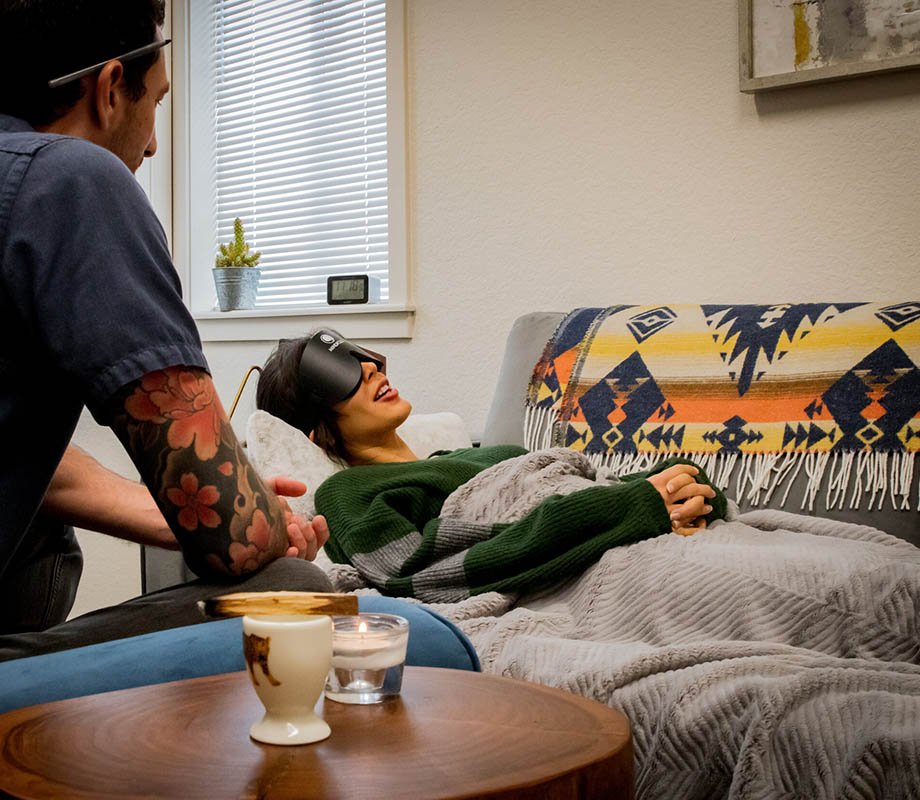
The Ketamine Clinic offers KAP for people whose depression hasn’t responded fully to conventional treatment. It isn’t a replacement for psychotherapy or a quick fix — it’s a medically supervised way to open a window where real psychological work becomes possible again.

UNDERSTANDING DEPRESSION & TREATMENT-RESISTANT DEPRESSION

What Is Treatment-Resistant Depression?

Roughly a third of people diagnosed with depression don’t reach full remission even after trying two or more antidepressants at an adequate dose, for an adequate length of time — this is what’s clinically defined as treatment-resistant depression (TRD).

If that’s where you are, you’re not failing treatment; the treatment is failing to reach the part of the illness it needs to.

How Ketamine-Assisted Psychotherapy Helps

Ketamine works differently to conventional antidepressants. Rather than slowly adjusting serotonin levels over several weeks, it acts on the brain’s glutamate system — temporarily blocking NMDA receptors and triggering a surge of synaptic growth. In practical terms, that opens a short window of increased neuroplasticity: a state in which the brain is unusually receptive to forming new patterns of thought and feeling.

That window is where the psychotherapy part matters as much as the medicine. Ketamine on its own can produce a rapid, sometimes dramatic shift in mood — but without structured therapeutic work to make sense of what’s surfaced and translate it into lasting change, those effects tend to fade. KAP pairs the two deliberately: the medicine creates the opening, the therapy is what you walk through it with

The KAP Process: How It Works

Rapid Neurochemical Shift

Ketamine acts on the glutamate system, rapidly increasing neural connectivity.

Window of Plasticity

A short window opens where the brain is more receptive to new patterns.

Psychotherapy Integration

Therapeutic work helps make sense of the experience and embed lasting change.

THE SCIENCE

How Ketamine Works for Depression

Ketamine’s effects on depression aren’t simply chemical — they’re neurological, structural, and psychological. Understanding what’s actually happening in the brain helps explain both why conventional antidepressants often fall short, and why ketamine-assisted psychotherapy can reach places they can’t.

The Default Mode Network and Rumination

In depression, the default mode network — the brain circuit responsible for self-referential thinking, memory, and internal narrative — becomes chronically overactive. This is the neurological basis of rumination: the loop of negative, self-focused thought that feels impossible to step out of, no matter how much insight or willpower is brought to bear on it.

Ketamine temporarily reduces this hyperactivity, quieting the DMN in a way that no conventional antidepressant reliably achieves. The result is often described by patients as a sudden loosening of that internal grip — a pause in the narrative that has been running, often for years, largely unchallenged. That pause is not incidental to the therapy. It is the opening the therapy works through.

Glutamate, NMDA Receptors and Synaptic Renewal

Conventional antidepressants work primarily on the serotonin system, which is why they take weeks to show effect and why roughly a third of people with depression don’t respond to them adequately. Ketamine works on an entirely different pathway — the glutamate system, which is the brain’s primary excitatory neurotransmitter network.

By temporarily blocking NMDA receptors on inhibitory interneurons, ketamine triggers a rapid surge in glutamate release. This cascade stimulates AMPA receptors and activates downstream signalling that rapidly strengthens synaptic connections in key mood-regulating circuits — particularly in the prefrontal cortex and hippocampus. The effect is measurable within hours rather than weeks, which is why patients often report a noticeable shift in mood long before a conventional antidepressant would have begun to take hold.

BDNF and Neural Regeneration

Chronic depression is not only a disorder of mood — it is associated with measurable structural changes in the brain. Sustained stress and prolonged depressive episodes reduce levels of brain-derived neurotrophic factor (BDNF), a protein essential for the survival, growth, and maintenance of neurons. Over time, this contributes to reduced hippocampal volume and loss of dendritic density in regions critical for emotional regulation and memory.

Ketamine rapidly increases BDNF expression, triggering the growth of new dendrites and synaptic connections — a process of neural regeneration that supports both symptomatic improvement and longer-term structural recovery. This is part of why ketamine-assisted psychotherapy shows promise not just for immediate mood relief, but for more durable change: it is working at the level of the brain’s physical architecture, not only its chemistry.

The Psychotherapy Window

The neurobiological effects described above — reduced DMN activity, increased synaptic connectivity, elevated BDNF — converge to create something clinically significant: a window of heightened neuroplasticity and psychological flexibility that typically lasts hours to days following a ketamine session.

During this window, the brain is measurably more open to forming new patterns. Entrenched negative schemas — the deeply held beliefs about self, others, and the world that depression both feeds on and reinforces — become more accessible and less fixed. Cognitive rigidity loosens. Emotional material that has been defended against or dissociated from becomes easier to approach.

This is precisely when the psychotherapy in KAP does its most important work. Whether through IFS, somatic approaches, or integrative talking therapy, the integration session in the days following the medicine session is designed to meet the brain in this more receptive state — translating the neurological opening into lasting psychological change. The ketamine creates the conditions. The therapy is what makes them count.

Why This Matters If You've Already Tried Antidepressants

Most people who find their way to KAP have already spent years working with conventional treatments — multiple antidepressants, therapy, combinations of both. And still, the depression persists.

This isn’t a failure of effort. It’s a failure of mechanism. SSRIs work on the serotonin system — and for roughly a third of people with depression, that simply isn’t where the problem lies.

Ketamine works on an entirely different pathway. By acting directly on the glutamate system, it triggers rapid synaptic growth and a window of neuroplasticity that conventional antidepressants aren’t designed to reach.

If the left-hand column describes what you’ve already been through, the right-hand column may be worth a conversation.

What to Expect — The Treatment Journey

1. Assessment

1. Assessment

A thorough medical and psychological screening with the medical team and your therapist, to confirm KAP is appropriate and safe for you.
2. Preparation

2. Preparation

Preparation is key, where you're guided through the process, setting intentions and building a trusting relationship with your therapist.
3. KAP Sessions

3. KAP Sessions

During this stage, four treatment sessions are provided alongside professional support over the course of a month.
4. Integration

4. Integration

These 4 integration sessions involve processing and applying the insights from each KAP session to your daily life

Who This Is Suitable For?

KAP may be suitable if you have depression that hasn't responded to multiple antidepressants and/or psychotherapy.

It's also an option for people seeking a different kind of approach — something that creates space for change rather than more of the same.

KAP is delivered under medical supervision with a full assessment of your physical and mental health to ensure it's safe for you.

It's not right for everyone

KAP isn't suitable for people with certain medical conditions, active psychosis, substance dependence, or uncontrolled high blood pressure. A thorough assessment with our clinical team will determine whether it's safe and appropriate for you.

You don't have to keep doing this alone.

If you’re ready to explore whether ketamine-assisted psychotherapy could help, we’re here to talk

No obligation. Just a conversation.

ABOUT THE AUTHOR

Paul Gibson MAPHP, MNRPC

Director and Lead Psychotherapist

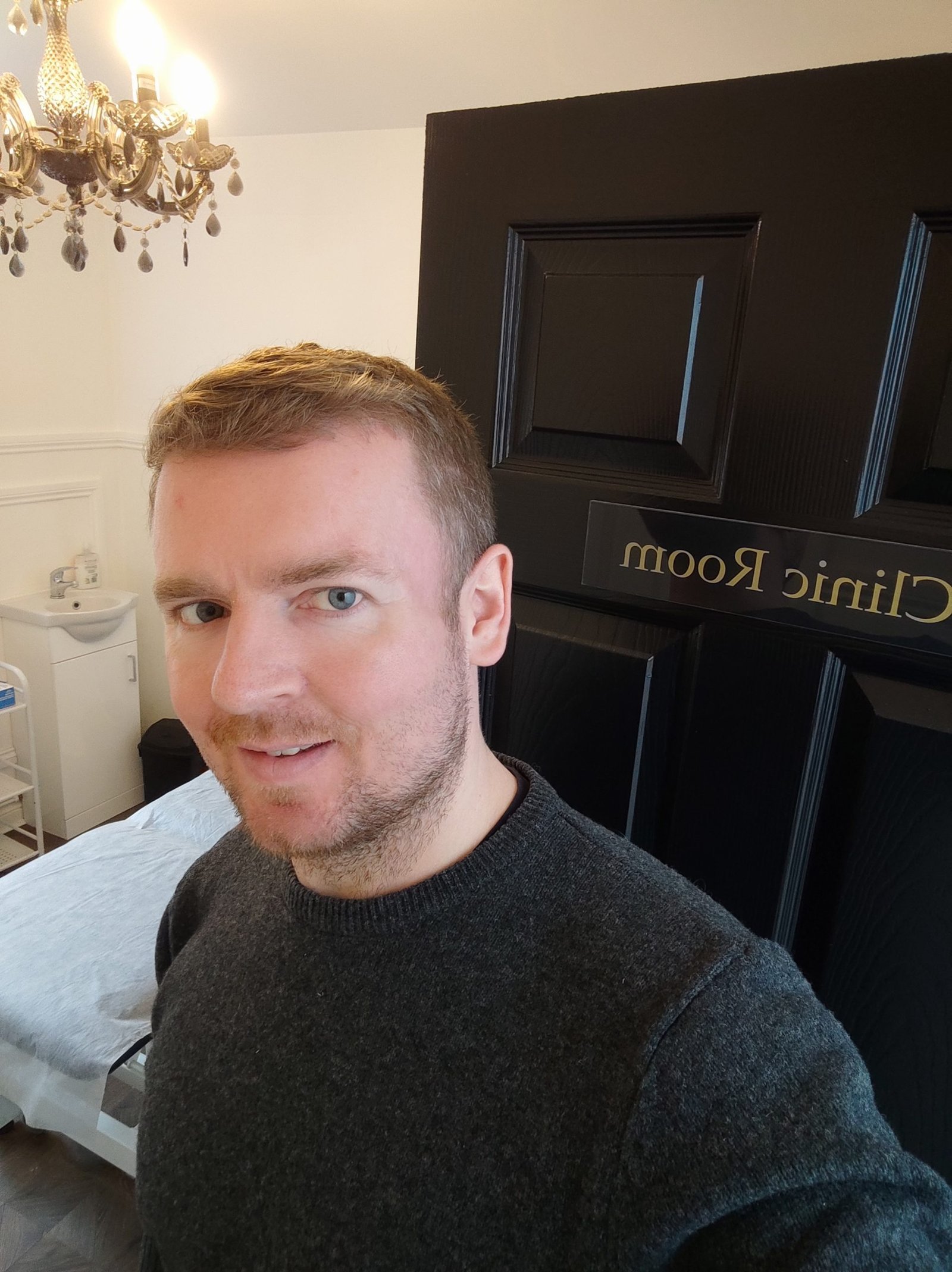
Paul Gibson is a psychotherapist with over ten years of clinical experience, including specialist work in psychedelic-assisted therapies. He co-founded The Ketamine Clinic to bring evidence-based, compassionately delivered ketamine-assisted psychotherapy to people who haven’t found relief through conventional treatment.

Medically Reviewed by Dr Devany

Dr Devany is a trauma surgeon with extensive clinical experience working with ketamine in medical settings. As lead prescriber at The Ketamine Clinic, he is responsible for medical safety, patient assessment, and clinical risk management. All treatment protocols are reviewed and approved under his medical supervision

THE EVIDENCE

What the Research Shows

Ketamine has been studied extensively for treatment-resistant depression, with multiple randomised controlled trials demonstrating rapid and significant improvements in symptoms.

One of the largest and most rigorous studies — published in the New England Journal of Medicine — found that a single infusion of ketamine, combined with an oral antidepressant, produced faster and greater reductions in depressive symptoms compared to antidepressant plus placebo.

In adults with treatment-resistant depression, a single intravenous infusion of ketamine, in combination with an oral antidepressant, led to a greater reduction in depressive symptoms than an oral antidepressant plus placebo

NEJM 2019; 381:24–34

Ketamine in Numbers

Reduction in suicidal ideation reported in some studies
0 %
Average response rate in treatment-resistant depression
0 %
Improvement may begin within one day
0 hr
Years of clinical ketamine research
0 yrs
Published scientific papers
0 +

CLINICAL RESEARCH

Key Studies

NEJM 2019

Rapid Antidepressant Effects of Ketamine in TRD Patients

Single infusion with oral antidepressant produced faster and greater reductions in depressive symptoms vs placebo.

NEJM 2019

Rapid Antidepressant Effects of Ketamine in TRD Patients

Single infusion with oral antidepressant produced faster and greater reductions in depressive symptoms vs placebo.

NEJM 2019

Rapid Antidepressant Effects of Ketamine in TRD Patients

Single infusion with oral antidepressant produced faster and greater reductions in depressive symptoms vs placebo.

NEJM 2019

Rapid Antidepressant Effects of Ketamine in TRD Patients

Single infusion with oral antidepressant produced faster and greater reductions in depressive symptoms vs placebo.

NEJM 2019

Rapid Antidepressant Effects of Ketamine in TRD Patients

Single infusion with oral antidepressant produced faster and greater reductions in depressive symptoms vs placebo.

NEJM 2019

Rapid Antidepressant Effects of Ketamine in TRD Patients

Single infusion with oral antidepressant produced faster and greater reductions in depressive symptoms vs placebo.

COMMON QUESTIONS

Frequently Asked Questions

How quickly does ketamine work for depression?

Lorem ipsum dolor sit amet, consectetur adipiscing elit. Ut elit tellus, luctus nec ullamcorper mattis, pulvinar dapibus leo.

Still have questions?

Our team is here to help you understand whether KAP is the right option for you

No obligation. Just a conversation.

Explore Other Conditions We Treat

KAP can be effective for a range of conditions beyond depression. Learn more about how it may help with:

ketamine for addiction

Ketamine for Addiction

Substance dependence involves powerful neurological patterns that willpower alone rarely overcomes. KAP works with the brain's plasticity to loosen those patterns and create a genuine window for recovery-focused therapeutic work.

ketamine for anxiety

Ketamine for Anxiety

Chronic anxiety keeps the nervous system locked in a state of threat response. KAP can interrupt that pattern at a neurological level, creating space for the therapeutic work needed to build lasting calm.

Ketamine for CPTSD

Complex PTSD — arising from prolonged or repeated trauma — requires a different therapeutic approach. KAP works gently with the nervous system, supporting safety and integration rather than forcing confrontation with traumatic material.

ketamine for OCD

Ketamine for OCD

Obsessive-compulsive disorder involves deeply entrenched thought and behaviour loops that are notoriously difficult to shift. KAP works at the neurological level to create the flexibility needed for real change.

Ketamine for PTSD

Trauma held in the body and nervous system often doesn't respond to talking therapy alone. KAP combines ketamine's unique effects on fear memory with structured therapeutic work to support genuine recovery.

Last reviewed: June 2026